Wooden fencing and wooden fencing panels are currently the most common fencing types (available in the UK, however making certain your timber fence survives the winter every year is key to keeping your fences looking new and beautiful for years to come. Nobody wants old, dirty, rotten [fences in front of their homes but replacing your fencing every couple of years can be expensive so here’s our top tips for
Ensuring that your wooden fencing survives the winter requires a few proactive measures to protect it from the harsh weather conditions.
Here are some tips to help you maintain and preserve your fencing during the winter months:
1. Select DurableTimber
Start off with choosing a durable wood type for your fences. Cedar and redwood are both popular choices because they are naturally resilient to decay and insects.
2. Add a Protective Finish
Apply a weather-resistant treatment to your wooden fences. This can include a sealant, stain, or paint that provides a protective film against damp, UV rays, and extreme temperatures.
3. Avoid Rain Damage
Ensure adequate drainage around the fence to stop water from socking into the base. Standing Wigan Fencing Company can lead to rot and decay over time.
4. Regular Inspections/Repairs
Before winter arrives, inspect the fencing for any existing damage, such as loose boards, cracks, or rot. fix any promblems promptly to prevent them from getting worse during the winter.
5. Prune Nearby Trees and Plants
Trim any overhanging branches or plants near the fence. Snow and ice accumulation on these can cause damage during winter storms.
6. Elevate the Fence Panels
If possible, lift up the bottom of the fence panels slightly to prevent them from sitting directly on the ground. Use stones or small bricks. This helps to stop moisture absorption and prevents rot.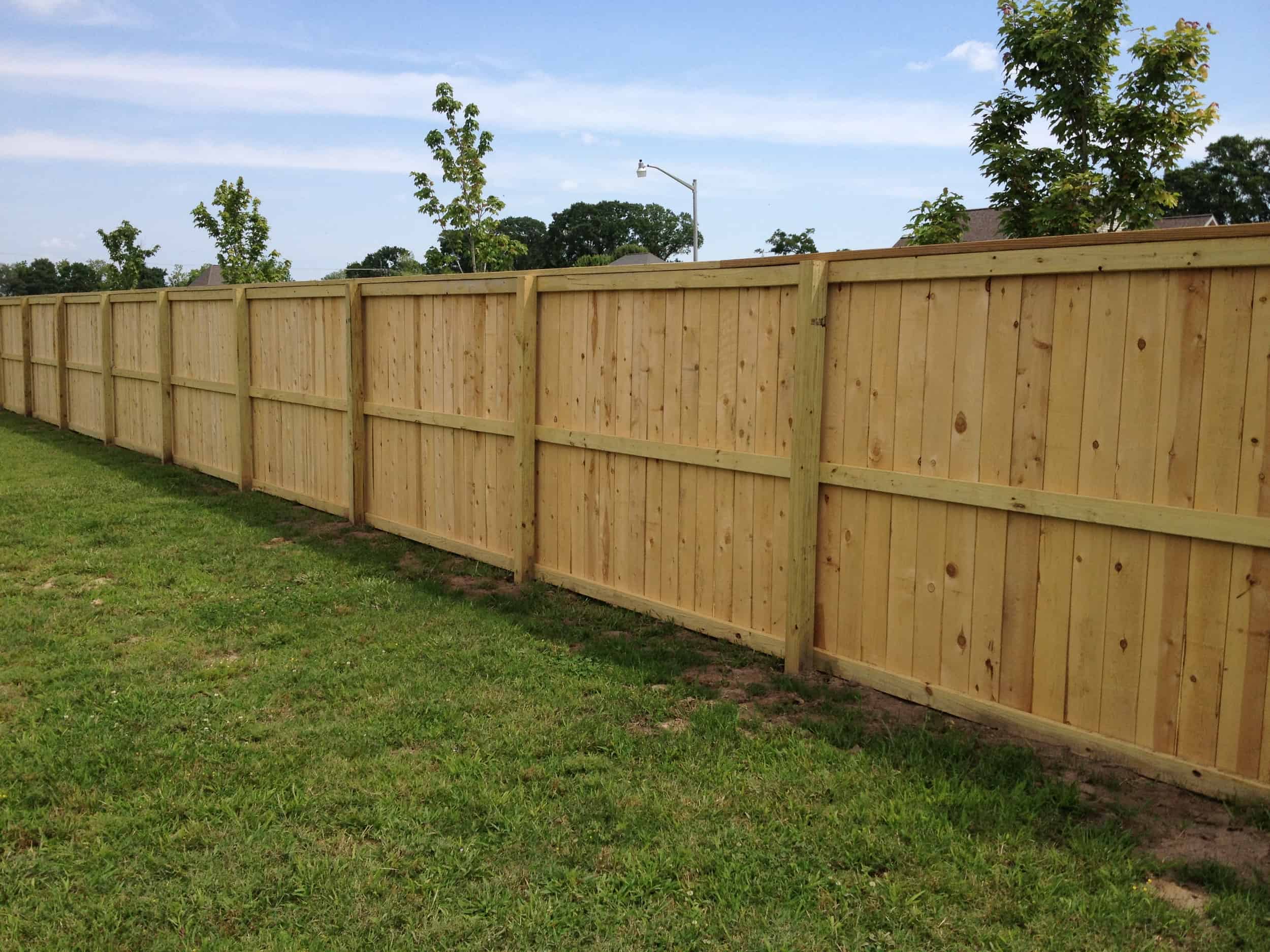
7. Snow and Frost Removal
When snow builds up on your fencing, gently remove it using a soft broom or brush. Avoid using metal tools that can scratch or damage the timber.
8. Avoid Salt
If you use de-icing agents on your driveway, avoid getting them on the fence. Salt and other chemicals can accelerate wood decay. Contemplate using alternative de-icing methods.
9. Winterise Your Outdoor Water Supplier
If you have an outdoor tap or hosepipe by your fence, make sure to winterise them with lagging or other wrapping methods. Water damage from freezing and thawing pipes and hoses can affect your fencings foundations.
10. Put Outdoor Furniture Away
If you have outdoor furniture or other items leaning against the fencing, move them away during the winter. This prevents unnecessary stress on the fence and allows for proper air circulation.
11. Clean Regular
Keep the fence clean from dirt, mold, and mildew. Regular cleaning helps maintain the integrity of the wood and its protective finish.
12. Consider Windbreaks
In areas prone to strong winds, consider using windbreaks such as shrubs or trees to reduce the impact on your fences.
By taking these precautions, you can help protect your wooden fencing from the winter elements and extend its lifespan. Regular upkeep is key to guaranteeing that your fencing remains in good condition year-round and lasts for many years.
Protecting Your Wooden Fencing Throughout the Winter to Extend it’s Lifespan